There is a stark reality in the energy sector that the large electricity companies prefer to keep under strict commercial secrecy: 84% of consumers who take the step towards self-consumption end up paying up to 35% more than necessary due to a bureaucratic and technical design trap that goes completely unnoticed during the first months.
Imagine shelling out thousands of euros on state-of-the-art infrastructure with the promise of reducing your electricity bill to zero, only to discover that you are giving away your surplus energy to the grid without receiving a single cent in return, or worse, that your roof is suffering from invisible micro-cracks that compromise the structure of your property.
What is this critical factor that traditional installers hide in their quotes and how can you protect your money before signing any contract? Throughout this extensive technical and financial analysis, we will reveal the exact mechanism to avoid this legal fraud and optimise every euro invested.
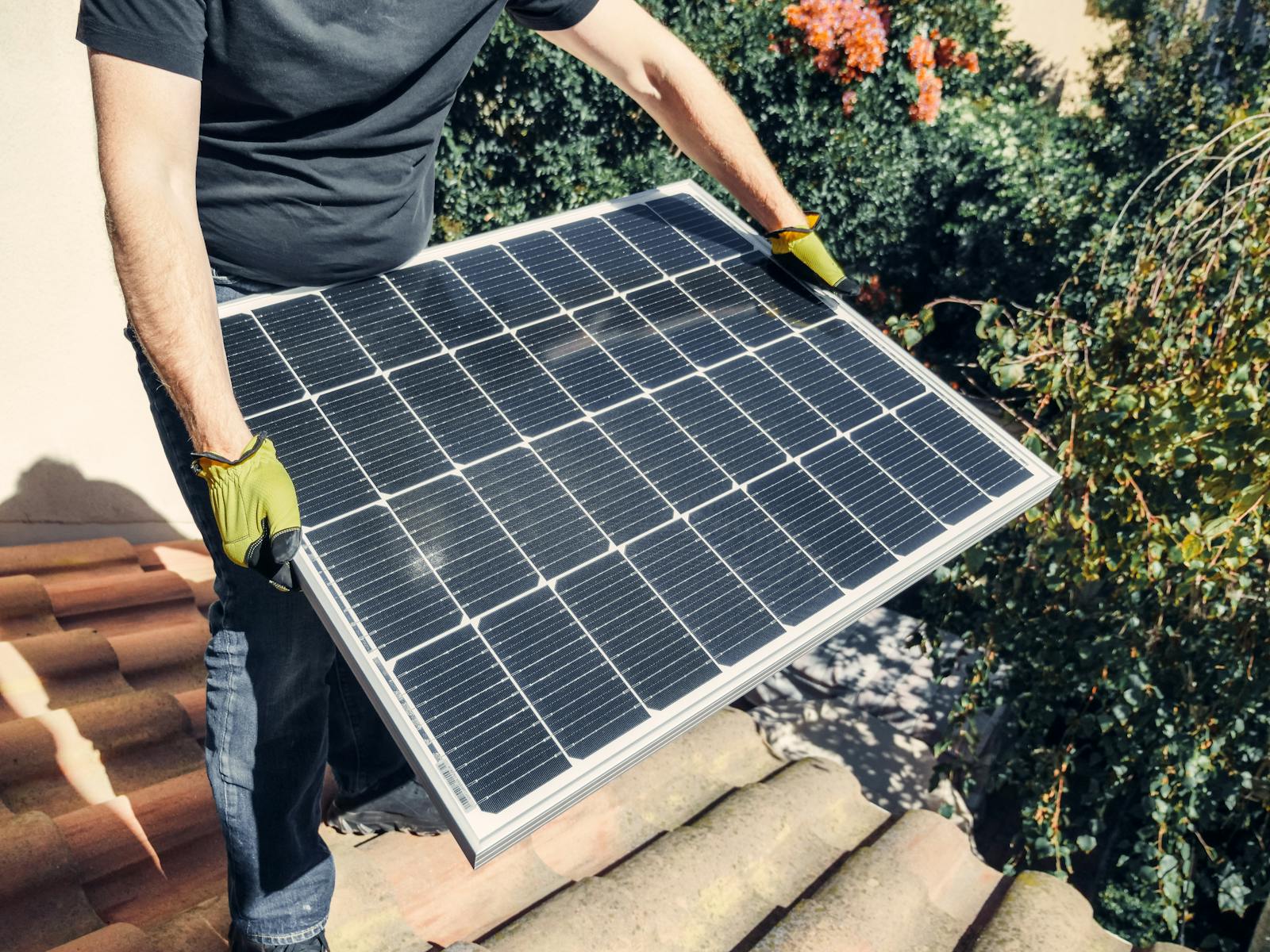
The interest in installing solar panels is no longer a simple ecological trend but an imperative need for economic survival. In a global context marked by the volatility of the wholesale market, the inflation of regulated costs and the mandatory transition to decarbonisation models, generating your own clean energy is the only real way to regain control of your fixed costs.
However, entering this sector without a clear roadmap can be a minefield. Users are at an early stage of discovery: they know they want to save money, they see panels on their neighbours' roofs, but they do not know the engineering, physics and legal frameworks that determine whether an installation will be a highly profitable financial asset or a 25-year headache.
Why is the installation of solar panels the most stable financial investment of the decade?
To assess the viability of a photovoltaic project, it is necessary to analyse it through the same lens as any other capital investment (CapEx). Unlike equity markets or real estate, which are subject to macroeconomic cycles and geopolitical uncertainties, the performance of a solar installation is based on an unchanging physical constant: solar irradiation and your own pre-existing consumption profile.
Every kilowatt-hour (kWh) that your panels produce and that you consume instantaneously in your home or business is a kWh that you stop buying from the utility at the highest price on the market (including tolls, charges and taxes on the bill). Therefore, the "return" on the investment does not depend on a third party paying you, but on the direct cost that you stop emitting.
This translates into an Internal Rate of Return (IRR) that, in most cases in Spain, far exceeds 12% per annum, a figure that no traditional banking product can match with such a low level of risk.
The difference in financial performance varies significantly whether we are talking about a residential environment or an industrial and SME environment. Below, we break down a comparative scenario based on real energy audits to understand how these variables interact:
| Analysis Parameter | Residential (Private) | Commercial / SME |
|---|---|---|
| Recommended average power | 3,5 kWp - 6 kWp | 20 kWp - 150 kWp |
| Coincidence with solar curve (direct self-consumption) | 35% - 50% (without storage) | 75% - 90% (daytime activity) |
| Estimated average depreciation | 5 to 7 years | 3 to 5 years |
| Complementary fiscal impact | Personal income tax deduction, IBI rebate | Accelerated depreciation, Corporation Tax Deduction |
| Module lifetime (Power guarantee) | 25 - 30 years (at 85% performance) | 25 - 30 years (at 85% performance) |
As can be seen, the commercial sector has a native advantage: its peak business hours coincide almost symmetrically with the sun's peak production hours (from 9:00 to 18:00). This means that practically all the energy produced by the panels is absorbed instantaneously by the company's machinery, air conditioning systems and lighting, avoiding the costs associated with transport and distribution tolls.
However, for individuals, the use of smart batteries or proper tariff management with simplified compensation allows for indexing profitability at surprisingly similar levels.
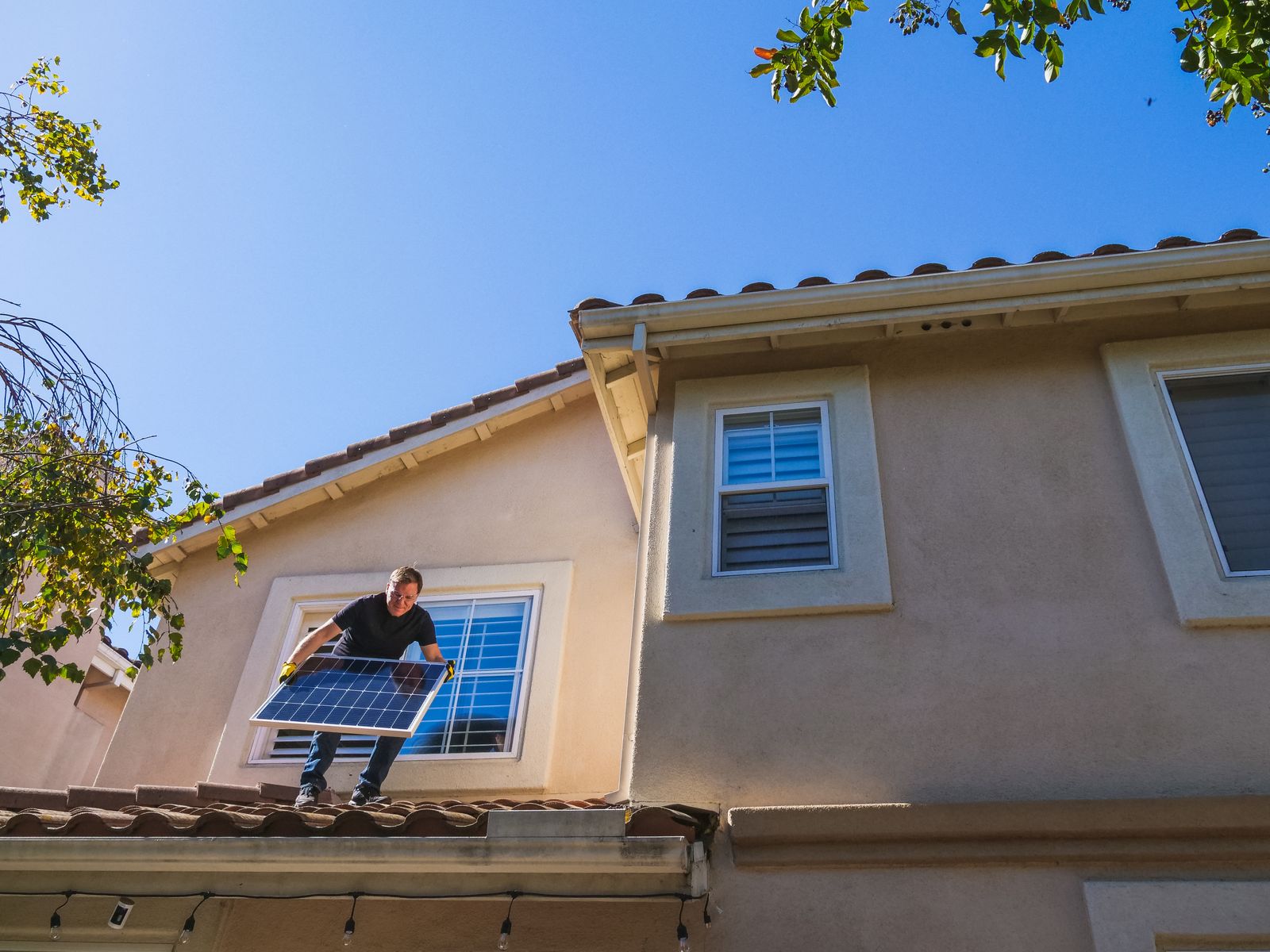
Architectural and engineering mistakes that ruin solar panel installation
The massive boom in self-consumption has attracted a wave of purely aggressive marketers to the market who subcontract the labour and dispatch projects as if they were standardised household appliances. A photovoltaic system is not a "plug and play" product; it is a work of electromechanical engineering that must be integrated into the living structure of a building.
The disregard of dynamic microshading
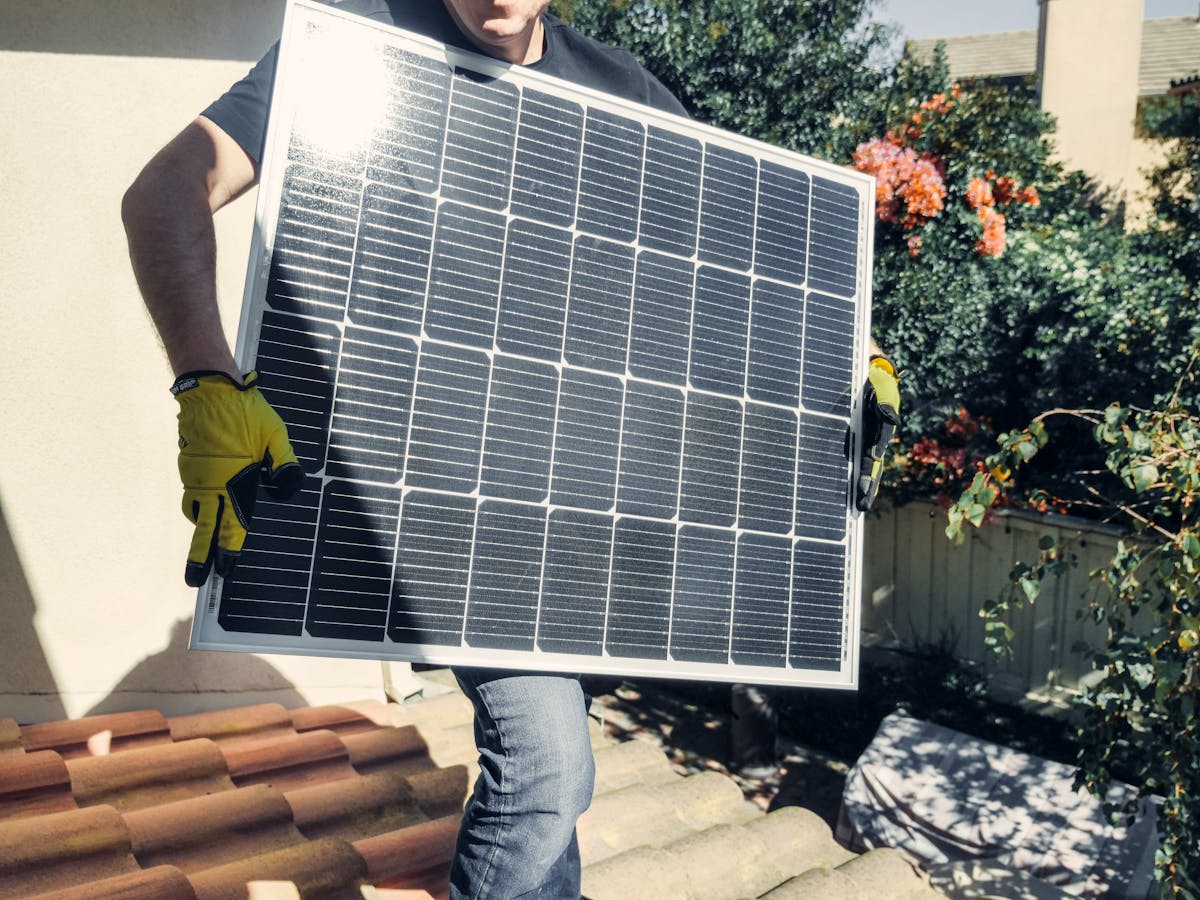
The first critical error is the disregard of dynamic microshading. A distant tree, a neighbour's chimney, a television antenna or even the periodic accumulation of dust and bird droppings can cast a persistent shadow over a single corner of a panel.
If the installation is designed using a conventional string inverter without power optimisers, this small shadow will act as a "bottleneck" in a funnel: it will reduce the current intensity of the entire array of panels connected together, plummeting the overall output to 60% during the key hours of the day.
Watertightness and load-bearing capacity of the roof
The second major structural danger lies in the watertightness and the load-bearing capacity of the roof. A solar panel and its aluminium structure add a perennial static weight, but the real challenge is the dynamic wind load (the so-called "sail effect").
If the installer drills directly into the shingles or roofing without using high-density chemical dowels, industrial-grade polyurethane mastics and neoprene sealing gaskets, water seepage and leaks will inevitably occur after the first few winters, generating structural repair costs that will double the price of the PV system itself.
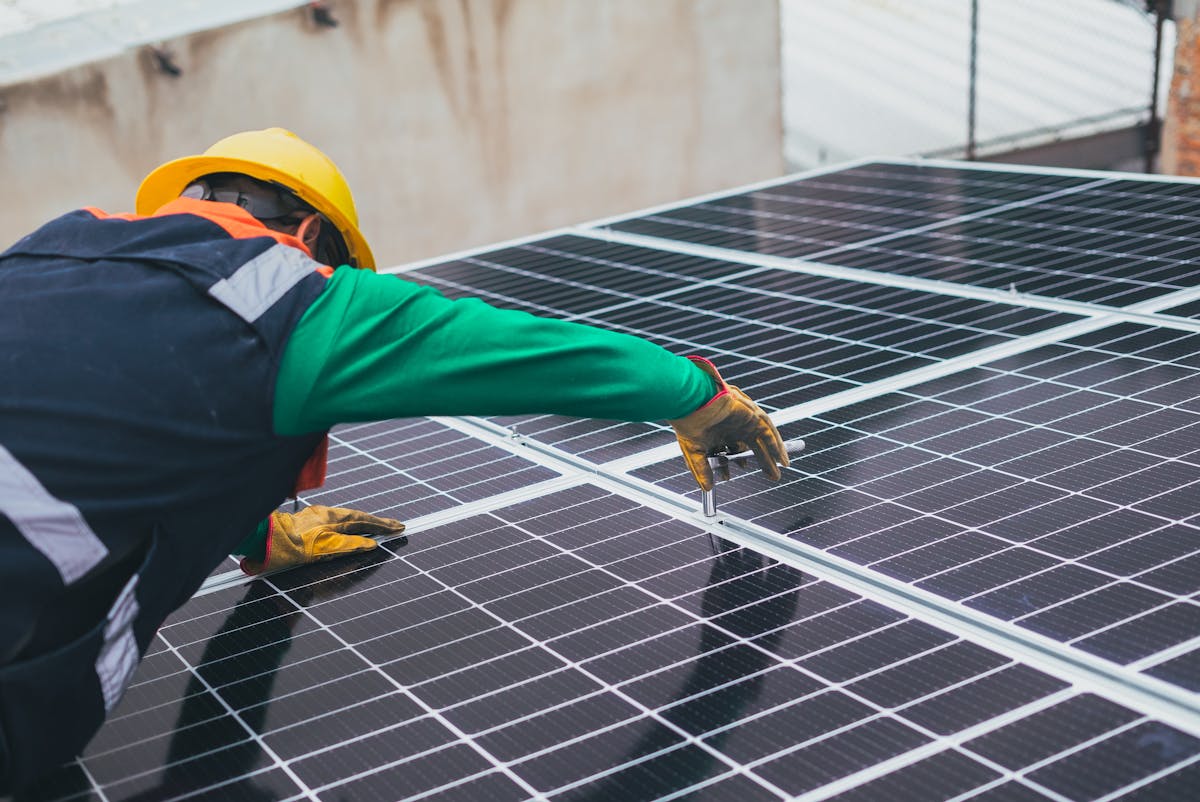
How CYC Energy's advanced consultancy secures your energy transition
To circumvent this ecosystem of inflated budgets and poor technical designs, the figure of an independent energy advisor becomes indispensable. This is where CYC Energía's business model makes a radical difference in the market. Instead of operating as a conventional installer with a stockpile of a specific brand of panels that you need to sell at all costs, this firm acts as your strategic partner and technical auditor.
Through its online consultancy platform at CYC Energía, its team of engineers and energy managers analyse your real consumption profile directly from the distributor's meter, completely free of charge and personalised. This quarter-hourly analysis makes it possible to determine with mathematical precision exactly how many panels you need, what type of cell technology (such as the latest generation N-Type monocrystalline modules with positive tolerance) suits your roof and which inverter topology is the most efficient for your case.
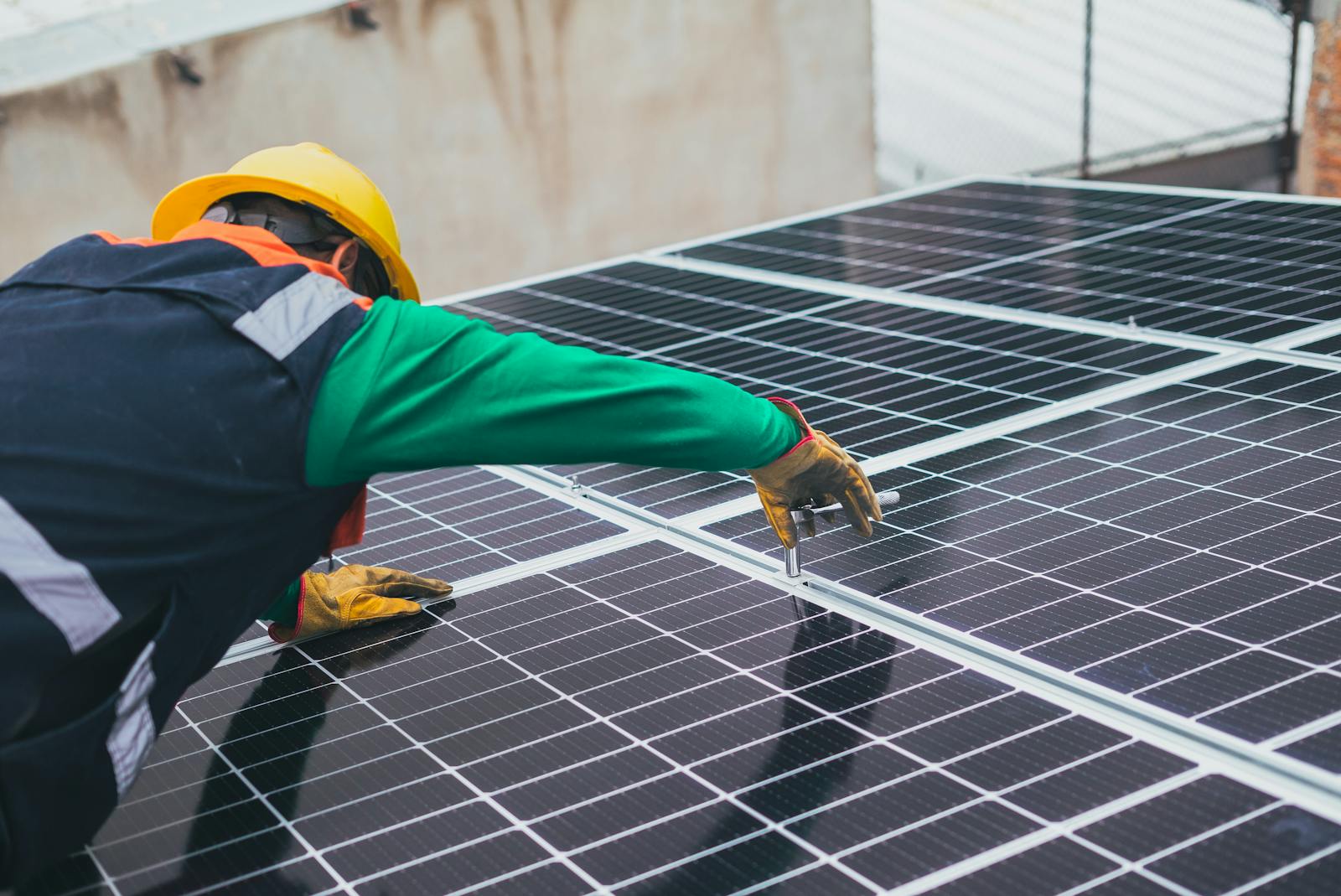
As we are not tied to any brand of component or charge hidden fees to the user for the feasibility study, CYC Energía's professionals design the optimum technical specifications and compare the offers of the country's main suppliers and installers to get you the lowest price on the market, ensuring that the 25-year performance guarantees are real, legally binding and backed by Tier 1 solvency level manufacturers.
Guide to critical phases in the implementation of a photovoltaic project
A successful PV deployment requires rigorous compliance with a sequence of steps that unify planning legality, occupational safety and technical excellence. Skipping any of these steps can result in administrative penalties, delays in legalisation or critical generation inefficiencies:
Feasibility study and analysis of the solar resource
It is not enough to know that it is sunny in your region; the Global Horizontal Irradiance Index (GHI) and Direct Normal Irradiance (DNI) specific to your geographic coordinate must be calculated using highly accurate multi-annual meteorological databases (such as PVGIS or NASA). This data is used to simulate the behaviour of the installation in the worst month of the year (December) and in the best month (July), guaranteeing a balanced design.
Processing of licences and administrative authorisations
Although most of the autonomous communities have replaced the old and cumbersome building permit with the responsible urban planning declaration to speed up deadlines, it is vital to process this document together with the payment of the ICIO fees before touching a single tile. Likewise, installations that exceed 15 kWp or that are located on rural land or in areas of historical protection require a mandatory request for connection points from the distribution company in the area.
Detailed engineering and electromechanical installation
The physical assembly must be carried out by qualified technicians in accordance with the Low Voltage Electrotechnical Regulations (REBT). Independent Direct Current (DC) lines must be structured and insulated by means of steel or PVC conduits reinforced against ultraviolet rays. It is imperative to install a specific protection panel for the solar part containing transient and permanent surge arresters, protection fuses for each string and Class B magneto-thermal and differential switches, essential for detecting direct current leaks and avoiding fire risks.
Initial inspection, legalisation and activation of the CAU
Once the work has been completed, an Authorised Control Body (OCA) or the engineer in charge of the work must issue the End of Work Certificate and the Electrical Bulletin (CIE). This document is registered with the industry delegation of your autonomous community to obtain the Self-consumption Unified Code (CAU), the identity number of your generation plant that will allow your supplier to legally recognise your surpluses and begin to deduct them from your monthly bill.
Request your free technical feasibility study 100%
Find out how much energy your roof can generate, what installation you really need and how to optimise your surplus before you sign off on any quotes.
Contact CYC Energy
